
A Steam customer who sees a ban warning inside the desktop client has good reason to take it seriously. The Windows program examined here contains its own version of that warning. It also contains code to change the account name on screen, alter the displayed wallet balance and collect the credentials entered into Steam. The deception takes place inside an application the user already trusts.
A sandbox record for a second Berserk build led us to a Windows server running a Steam proxy. Behind that proxy we found account-management services that returned Steam session material and accepted changes to stored accounts without authentication.
Executive summary
On 16 November, VULONE recorded 48,468 downloads for a GitHub release asset named BERSERK.exe. A public sandbox record for a second file with the same name pointed to a Steam proxy on a Windows server. That server belonged to a group of 15 suspected Berserk hosts. When we compared the hashes, we found that the sandbox had analyzed a different build from the one distributed on GitHub.
The reverse-engineering work on 28 November answered the question the download counter had left open. The GitHub build itself contains code that collects account credentials, Steam Guard codes and session material. Its user-interface code can present a false ban notice and conceal which account is on screen. The analysis also recovered a certificate that gives defenders a precise artifact to search for on Windows systems.
On the server identified in the sandbox record we recovered 37 cookie or session exports and 20 refresh tokens. Some accounts appeared in both sets. During testing one deletion request unintentionally removed two managed records. We could not restore their session and authenticator material.
The sandbox build links Berserk to the external proxy. The GitHub build’s documented credential callback points back to the user’s own machine. How the managed accounts reached the server remains unknown.
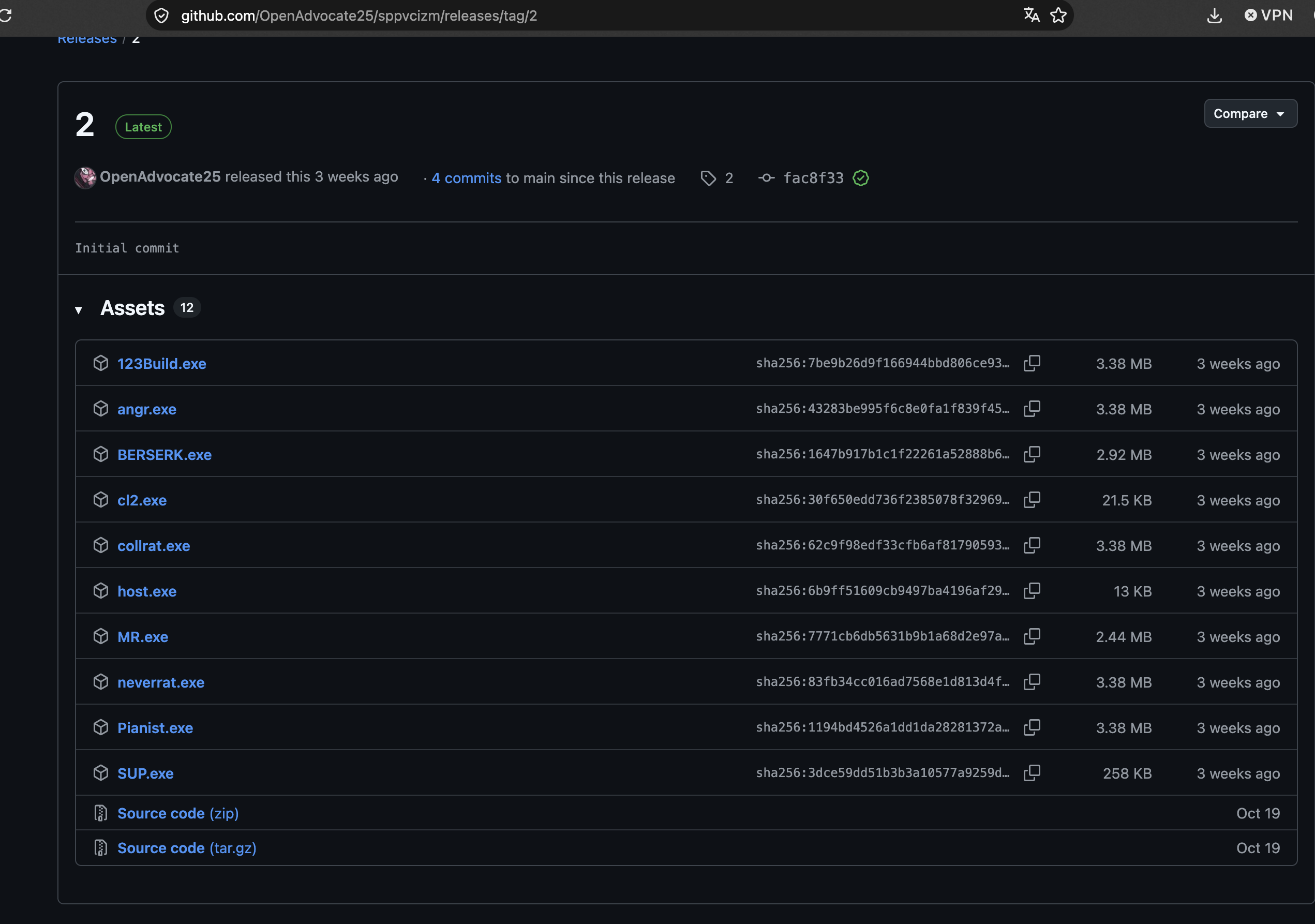
GitHub release 2 lists BERSERK.exe at 2.92 MB. Its visible SHA-256 prefix matches the GitHub build in Appendix B. VULONE recorded the 48,468 downloads in its 16 November collection notes.
1. How the two builds came into view
The investigation began with a GitHub release. Several small text files in the repository listed different lead executables alongside the same group of supporting payloads. Three assets had drawn tens of thousands of downloads. The other executables had drawn at most a few hundred each. That pattern made the shared files a better starting point than the individual build names.
An earlier sandbox analysis supplied the first network lead. The November collection notes identify Joe Sandbox analysis 2006195, which described local Steam-related callbacks and referenced a proxy configuration on 85.239.144[.]222. The public panel and the proxy configuration on that host gave the research team features it could compare across the fleet. The later static analysis returned to the original GitHub file.
| Date in 2026 | Evidence | What it adds |
|---|---|---|
| 23 October | Start of validity of the recovered certificate | Earliest date on the certificate. It does not date an infection. |
| 1 November | PE header timestamp in the GitHub build | Consistent with the sequence of events. A PE timestamp can be altered. |
| 5 November | GitHub release assets uploaded at 13:43 UTC according to the collection notes | Dates the distribution channel. The notes also record two staging domains serving overlapping filenames. |
| 15 November | Historical urlscan observation cited in the notes | A separate staging server served files carrying the same three principal names. |
| 16 November | Release counters read around 10:05 UTC. Fleet census recorded around 10:20 UTC. | Dates the release counters and the 15-host census. |
| 28 November | Static-analysis package and certificate review | Ties the documented client behavior to the GitHub asset by SHA-256. |
| Collection date unconfirmed | Account-service responses | Records the inventory and session exports observed on the proxy host. The available evidence gives no precise collection time. |
Which sample supports which claim?
| BERSERK.exe build | SHA-256 prefix | Evidence in this case |
|---|---|---|
| GitHub release asset | 1647b917b1c1f222 | Release count, PE metadata, recovered certificate and client-side code. |
| Joe Sandbox sample | d1f854cf034b453b | Earlier sandbox observations and the reference to the external proxy host. |
The two reports describe the same unusual combination of Steam login state, Guard codes and refresh tokens at a local callback. That supports a relationship between the builds. We have yet to see either a matching certificate from the sandbox build or an external destination specific to the GitHub build. Full hashes appear in Appendix B.
2. Distribution and the meaning of 48,468 downloads
The release was published under OpenAdvocate25/sppvcizm on GitHub. VULONE recorded the following asset-level counters on 16 November. The three largest counts belong to files that appear together in the repository's task lists.
| Release asset | Downloads | Role supported by the available material |
|---|---|---|
| BERSERK.exe | 48,468 | Steam credential and session collection in the reverse-engineered build |
| SUP.exe | 46,807 | Companion file described in the November notes as modifying certificate trust and the hosts file |
| cl2.exe | 25,284 | Approximately 22 KB. Its role was not established in the supplied analysis. |
| angr.exe | 480 | Additional release asset |
| MR.exe | 384 | The November notes record a URLhaus SalatStealer tag for this file |
| Pianist.exe | 214 | Additional release asset |
| neverrat.exe | 179 | Additional release asset |
| collrat.exe | 175 | Additional release asset |
| 123Build.exe | 174 | Additional release asset |
| host.exe | 3 | Additional release asset |
One list contained just the three common files. Others added a different lead executable. This is consistent with several distributions drawing from a common payload set. The lists do not identify who selected the files or how many users ran them. The SalatStealer tag applies to the reported MR.exe artifact. It gives us no basis to attribute Berserk, the other executables or the fleet to SalatStealer's operators.
GitHub publishes a download count for each asset. The same installation could fetch several files or retrieve one file repeatedly. Researchers and automated services can fetch them too. 48,468 is the recorded count for one file over roughly eleven days. We cannot derive a count of devices, accounts or completed takeovers from it. GitHub release asset documentation
3. What the GitHub build does inside Steam
The file identified in the static report is a 3,058,688-byte unsigned 64-bit Windows executable. Its strings and symbols refer to Counter-Strike 2, weapon skins and inventory display. They support a plausible cheat or overlay lure. The case materials do not include the original installer pitch or a record of how a particular player obtained it.
Steam's embedded browser
Steam displays parts of its interface through the Chromium Embedded Framework. The sample contains code for locating the Steam installation, setting its browser-debug marker and restarting the client. A separate group of symbols refers to attaching to a browser session. The combination explains how the program could reach a Steam sign-in view already open on the desktop. The user would not have to visit a lookalike login page for this part of the kit to matter.
The strongest evidence comes after that attachment. The static report identifies local handlers for login state, credentials, Steam Guard codes and refresh tokens. For several of them the analysts recovered the script that passes the corresponding data to the local collector. Cookie collection appears separately in browser-session code. A log string refers to sending cookies to a panel, although the retained package has no remote transfer capture for this build.
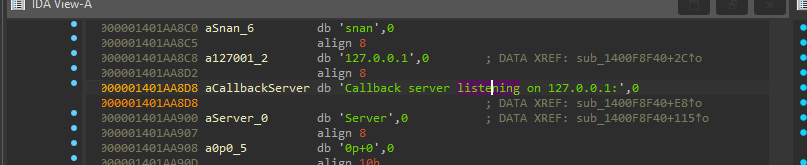
Figure 1. The binary contains the message “Callback server listening on 127.0.0.1:” and a separate loopback address string. The screenshot shows how the program describes its local listener. The callback handlers are documented in Appendix C.
The screen a player would see
The program contains a notice about a VAC or in-game ban followed by a request for an SMS code. The recovered translations include German, Russian and Korean. Nearby scripts can disable parts of the interface and replace the displayed account name. The addendum also identifies a routine that rewrites the balance shown in Steam and can hold a pending balance at a chosen display value.
These findings explain a practical feature of the kit. A player trying to resolve what looks like a ban could be asked for a fresh code while the account details on screen are misleading. Changing a number in the client does not establish that Valve changed a wallet balance. The evidence supports manipulation of the display.
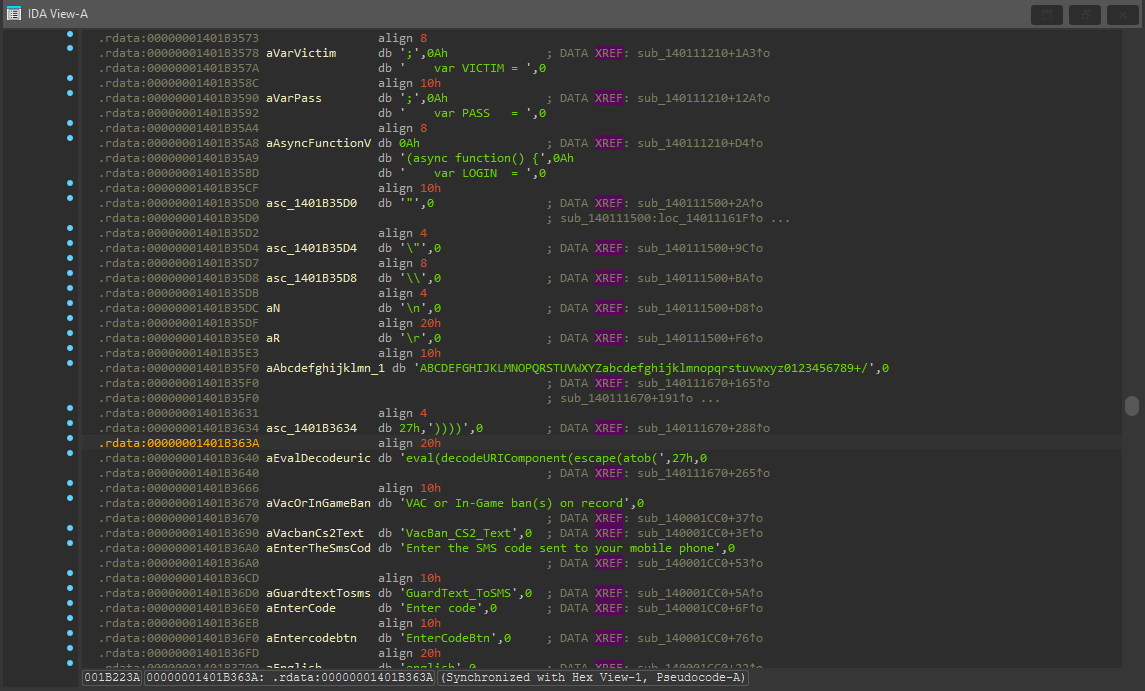
Figure 2. “VAC or In-Game ban(s) on record” and “Enter the SMS code sent to your mobile phone” appear with interface labels in the binary. The cross-references lead to the same function. The capture preserves the wording a player could encounter.
Steam Guard and remote control
The static report identifies a class concerned with moving a Steam mobile authenticator. It also describes fields used in an authenticator file, including a shared secret and a revocation code. A successful transfer could affect who controls future approvals. We found no issued authenticator file or account history recording a successful transfer in the supplied case materials.
Another group of symbols and message names points to an authenticated WebSocket control channel. The client has handlers associated with cookie collection, account state, restarting Steam and cleanup. A support-ticket reference and Steam recovery wording also appear in the recovered material. These details make an operator-assisted recovery pretext plausible. No operator conversation was recovered.
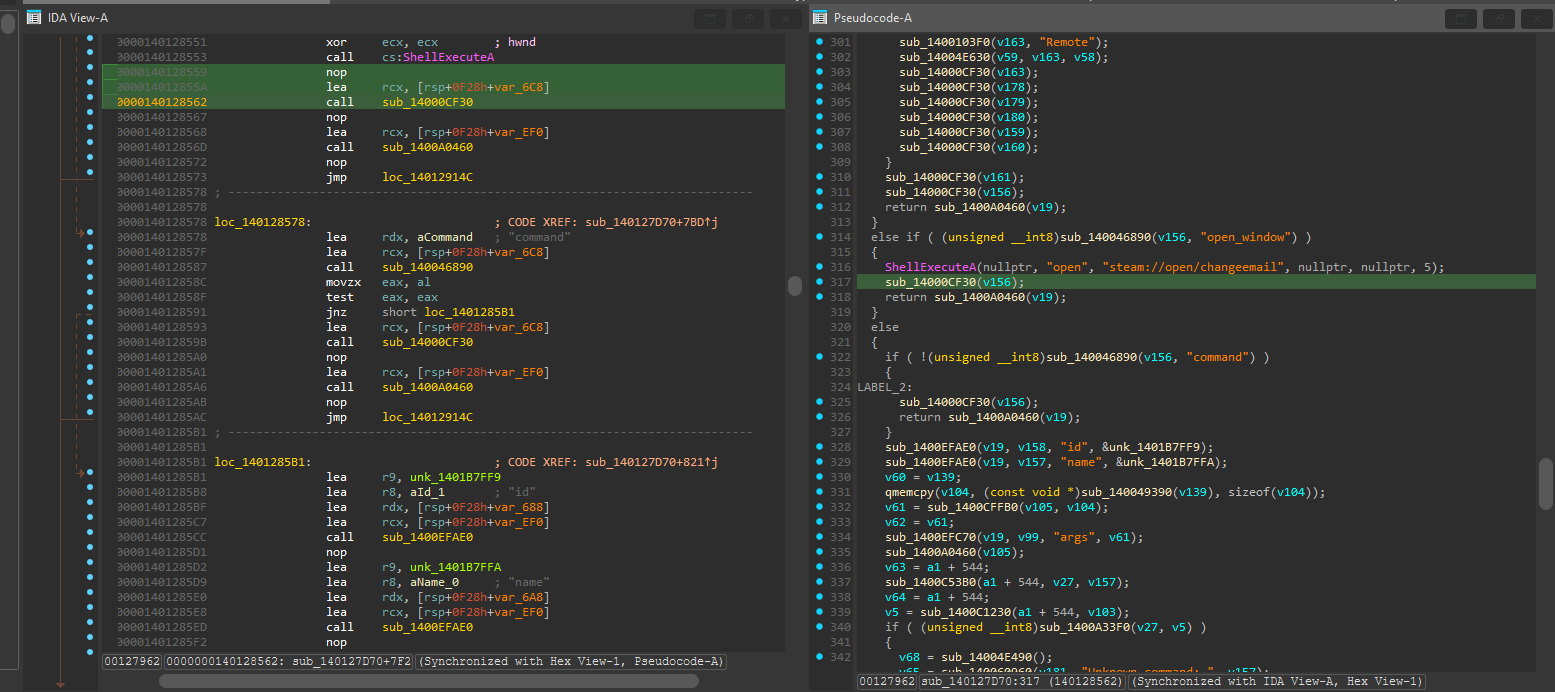
Figure 3. In the open_window branch, the client asks Windows to open Steam’s change-email screen. Changing the registered email would require further steps.
BlackBone library symbols and Windows process-related imports are present. They identify code shipped in the sample. They do not establish that a driver loaded on a victim machine or that the program obtained administrator rights. Those distinctions affect which endpoint events a defender should expect to find.
4. The proxy and its certificate
Three network observations use two port numbers. Their roles depend on where the connection terminates.
| Location | Observation | Interpretation |
|---|---|---|
| On the Windows endpoint | 127.0.0.1:6968 in the GitHub sample's callback logic | A local recipient for Steam authentication material. Loopback traffic by itself cannot identify the operator. |
| On the Windows endpoint | 127.0.0.1:8080 associated with proxy settings in the static report | A local proxy configuration. Port 8080 also has many legitimate uses. |
| On an external fleet host | The November notes record a proxy auto-configuration file selecting an external proxy on port 6968 for Steam store and community traffic | Evidence of selective traffic routing. The recorded configuration gave Steam's help site a direct route. |
The static report documents two identical copies of a PKCS#12 certificate container within the GitHub binary. The accompanying log strings cover opening the Windows local-machine root store, attempting installation and handling access denial. The program also has cleanup messages for removing the certificate and clearing proxy settings. Endpoint collection should therefore include historical changes as well as current settings.
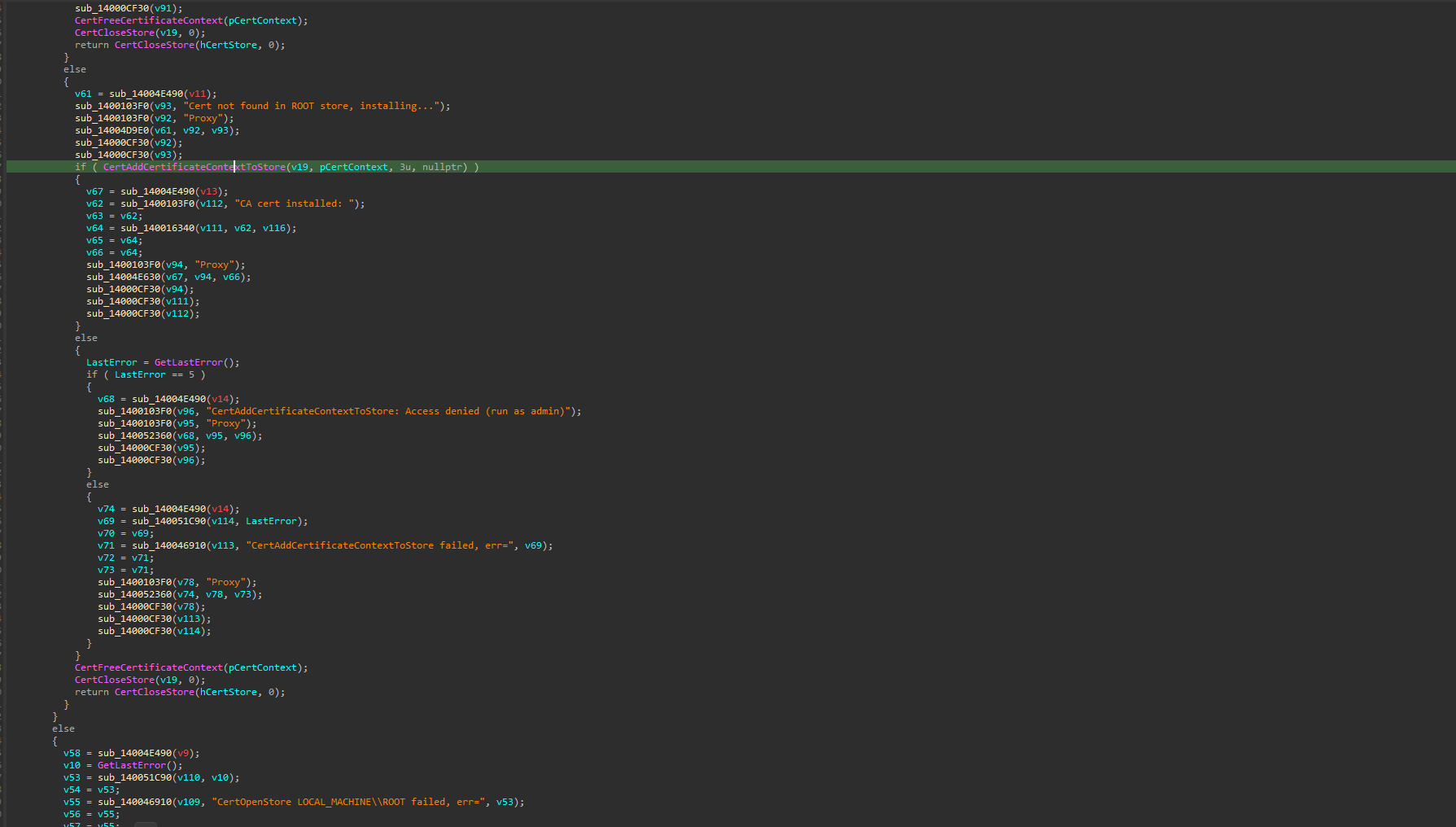
Figure 4. The code calls CertAddCertificateContextToStore and handles success and access denial. This shows an installation attempt implemented in the binary. Figure 5 identifies the certificate inspected separately.
We parsed the included public certificate with OpenSSL. It identifies itself as mitmproxy and is valid from 23 October 2026 to 22 October 2036. The extracted container is described as holding the certificate alone. The material establishes which trust anchor the code was prepared to install. Who held the signing key and whether a particular connection was decrypted remain open questions.
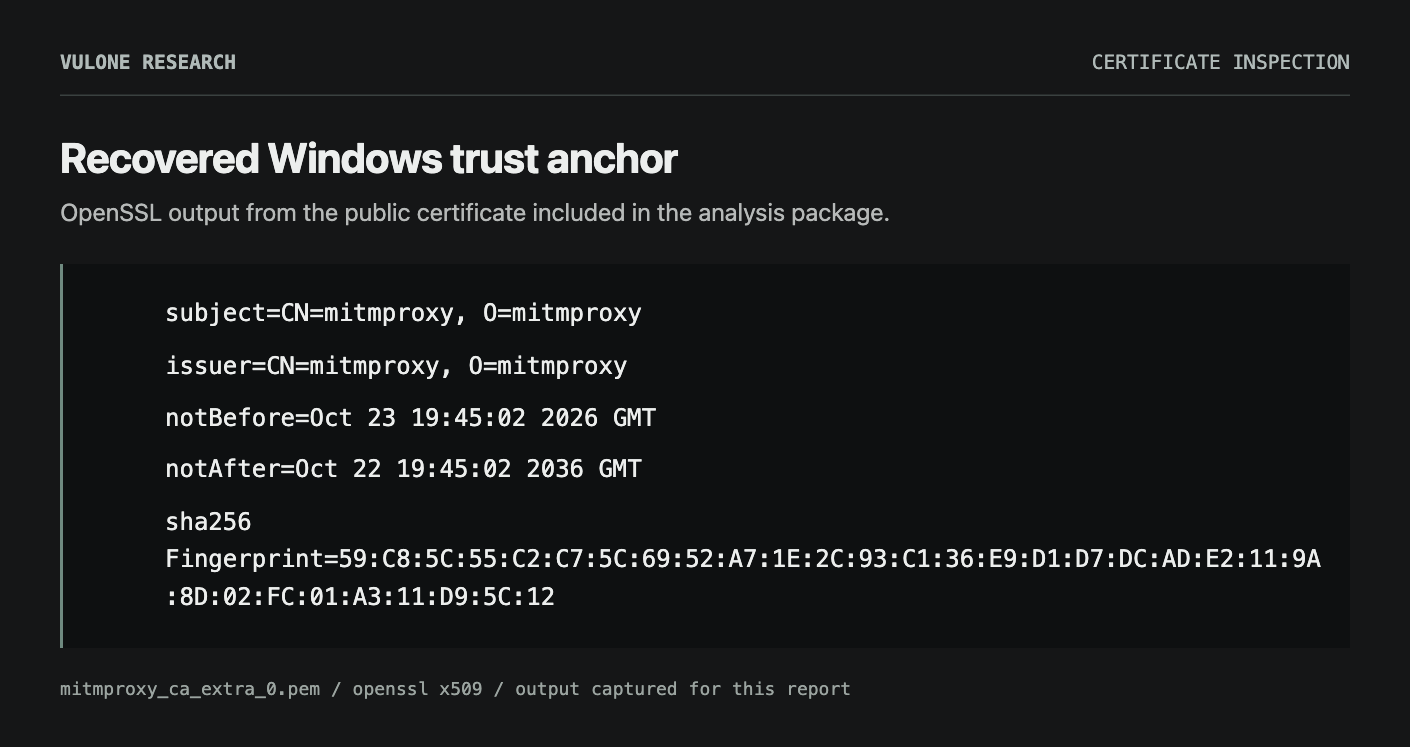
Figure 5. Fresh OpenSSL inspection of the certificate included with the analysis. The SHA-256 value is the certificate fingerprint. Hashing the PEM text as a file produces a different value.
| Certificate field | Verified value |
|---|---|
| Subject and issuer | CN=mitmproxy, O=mitmproxy |
| SHA-256 fingerprint | 59c85c55c2c75c6952a71e2c93c136e9d1d7dcade2119a8d02fc01a311d95c12 |
| SHA-1 thumbprint | 3c2d35a367a1a855dfd64b58021e52d0412af432 |
| Subject key identifier | 52:78:D9:75:05:7E:34:03:83:98:09:BD:BD:5A:18:64:CF:91:01:7C |
The second byte of the subject key identifier is 78. The earlier addendum transcribed it as 79. Both of its published certificate fingerprints match the PEM. For endpoint triage, use an exact fingerprint. Mitmproxy ordinarily generates a CA for each installation, so its common name is a poor indicator on its own. mitmproxy certificate documentation
5. The login panel and the 15-host census
The supplied browser capture shows a Russian-language sign-in page at sifilis[.]lol/login. The panel spells its name with a boxed B followed by ERSERK. The login field contains the text VULONE and the password field is empty. The image documents the visible sign-in page. It supplies no evidence of a successful login, a worker account or access to a customer database.
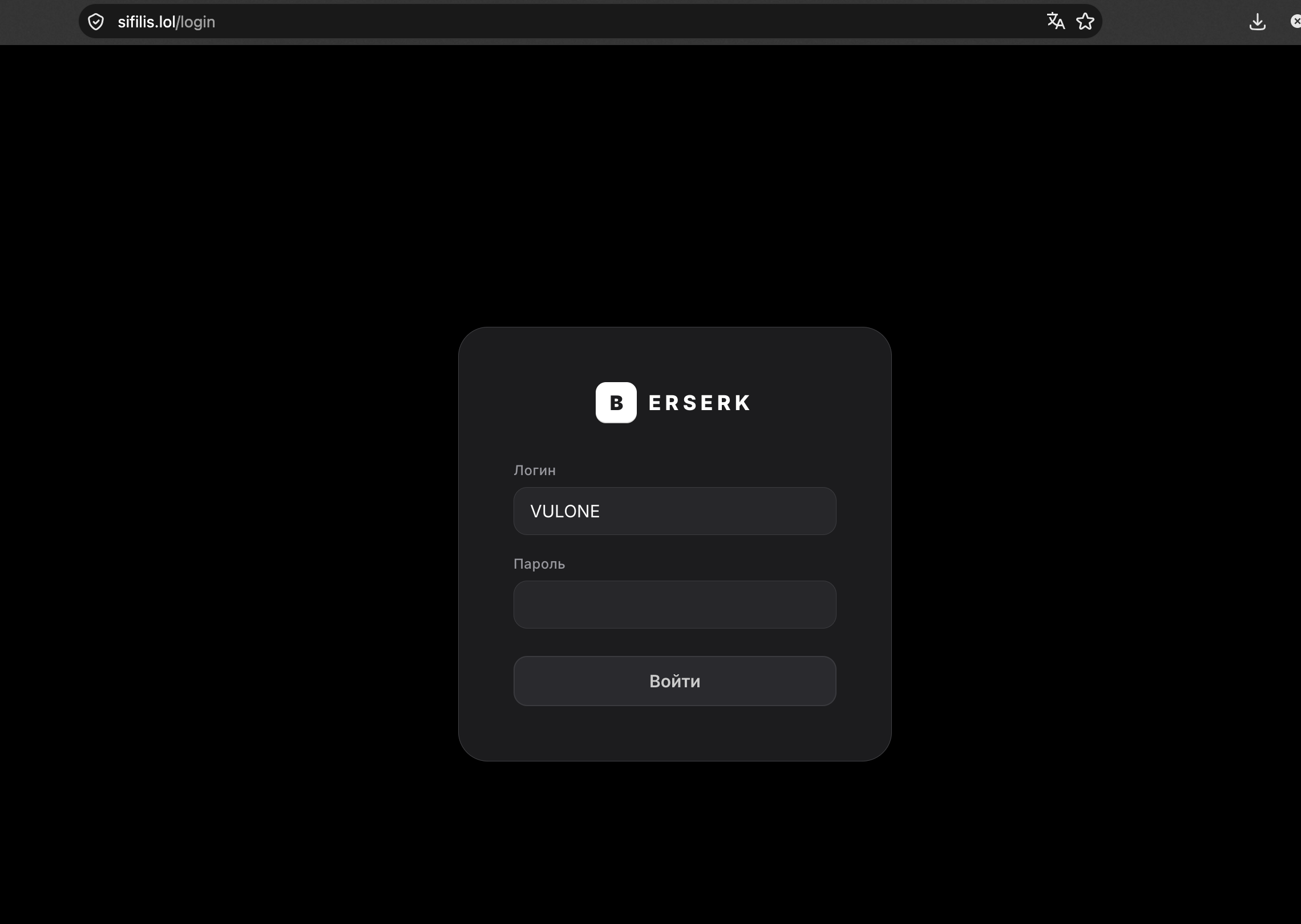
Figure 6. Analyst-supplied panel capture, reproduced with its browser address bar. The 16 November notes separately describe a fake FACEIT tournament lure on this domain. The screenshot shows only the login route and its capture time is unverified.
The November survey grouped 15 candidate hosts by their common launcher branding, frontend assets, service responses and Steam proxy behavior. Fourteen answered during the collection window. The fifteenth, 89.34.90[.]92, gave no answer to the panel check. The observations concern that window only. Appendix A preserves all 15 entries, including the uncertainty on the fifteenth.
The public-facing panel code contained references to worker roles, account transfers between workers, Steam trade confirmations and device revocation. Pricing and invoice routes appeared alongside a payment-required response. Together these findings support a commercial kit that could be licensed to more than one customer. A route name establishes which functions the frontend references. Transaction histories, subscriber numbers and actual trades would require different evidence.
Where the hosting links stop
Five domains in the notes shared the same pair of Cloudflare nameservers. Shared deployment characteristics and a domain carrying the Berserk name strengthen the software cluster. Nameserver assignment alone cannot identify a Cloudflare customer or establish that one person operated all five domains. The notes also record two hosting ASNs. Shared network placement says where the systems were hosted and gives limited information about who controlled them. Cloudflare nameserver assignment
The launcher and panel used Russian text. That identifies a supported language. It provides no reliable basis for naming an individual or assigning nationality. Likewise, a Git commit author field was present in the distribution records. Its ownership was never verified.
6. The exposed account-management services
The panel code described how workers could manage accounts. On the Windows server identified in the sandbox record we could see what two of the account services actually held. Both ran on Kestrel and listened on the server’s loopback interface. The external proxy forwarded requests to them and the services returned account data without authenticating the caller.
What the services held
The inventory identified each account by name and SteamID. It also recorded account health and token invalidation status alongside settings for proxies and confirmations. Session responses contained cookies and access tokens with their expiry times. We recorded 37 cookie or session exports and 20 refresh tokens. The overlap leaves the number of distinct accounts in those exports unresolved.
For two accounts the service returned fresh refresh-token material using stored account state. The recovered material contained neither plaintext Steam passwords nor the original Steam Guard secrets. Successful interactive login with the tokens remains unverified.
Administrative effects and limits
The services accepted account imports and changes to stored proxy settings. On a second host with matching service behavior we confirmed that an imported record persisted. Other routes referenced trade confirmations, logout and avatar handling. The notes identify those routes but document only selected operations in use.
The panel and launcher each required their own credentials. Testing established that an unauthenticated caller could change managed records. Host command execution and panel administrator access remain unverified. The available records do not establish who supplied the accounts or who else accessed them.
The GitHub build contains code to collect Steam session material of the kind we found on the server. Its local callback identifies where the data first goes on the endpoint. We have no configuration or traffic capture showing where it goes next.
7. What defenders can check
Where execution is confirmed, isolate the Windows endpoint and preserve relevant process, certificate and proxy history. Use a separate trusted device for Steam recovery. Review authorized devices, the registered email, authenticator changes, trades and market history. Secure the associated email account if its credentials may also have been exposed. Valve's recovery workflow is the appropriate route when account control has changed. Steam account recovery
For affected service operators, preserve proxy and application logs, restrict proxy reachability and require authorization at each account service. Review imports, configuration changes and deletions against the account history. Coordinate session invalidation and token revocation with the platform and authorized account owners.
Selected MITRE ATT&CK mapping for Windows
| Technique | Basis for this mapping | Evidence level |
|---|---|---|
| Credential API Hooking, T1056.004 | The retained code wraps authentication functions used by the Steam sign-in view. | Static client capability. MITRE |
| Steal Web Session Cookie, T1539 | Cookie-collection code and associated session fields appear in the GitHub build. | Static client capability. MITRE |
| Install Root Certificate, T1553.004 | The included CA and the documented Windows store logic identify a specific trust change. | Verified certificate and static installation logic. MITRE |
Appendix A. Historical infrastructure indicators
These are the observations recorded on 16 November 2026. Locations below are the network labels in the collection notes. They do not identify victim locations.
| Candidate host | Location label | Observation in the census |
|---|---|---|
85.239.144[.]222 | Sweden | Proxy host referenced by the separate sandbox build. Associated with the trueforce names. |
85.239.144[.]171 | Sweden | Host associated with the tournament lure and sifilis domain. |
85.239.144[.]173 | Sweden | Associated with the berserk-test proxy name. |
85.239.144[.]174 | Sweden | Responded during collection. |
89.34.90[.]50 | Netherlands | Responded during collection. |
89.34.90[.]92 | Netherlands | Listed in the fleet notes. No response to the panel check. |
89.34.90[.]192 | Netherlands | Identified as an origin in the collection notes. |
89.34.90[.]224 | Netherlands | Identified as an origin in the collection notes. |
91.92.34[.]141 | Bulgaria | Responded during collection. |
91.92.34[.]198 | Bulgaria | Associated with the dkpanel proxy name. |
94.26.83[.]175 | Bulgaria | Responded during collection. |
94.26.0[.]66 | Bulgaria | Responded during collection. |
93.152.223[.]47 | United States | Associated with the farta domain. |
93.152.223[.]119 | United States | Responded during collection. |
96.62.224[.]63 | Hong Kong | Service responded under a generic panel name with Berserk branding hidden. |
| Role in the notes | Defanged indicators |
|---|---|
| Trueforce names | trueforce[.]cc, panel.trueforce[.]cc |
| Other panel or lure names | sifilis[.]lol, farta[.]today, kakaski-v-karmaski[.]mom |
| Panel and proxy names | dkpanel[.]vip, cn-proxy.dkpanel[.]vip, berserk-test[.]mom, cn-proxy.berserk-test[.]mom |
| Separate distribution infrastructure | 93.152.211[.]27, fcitantibot[.]pro, antibotchecker[.]pro |
The staging IP is separate from the 15-host fleet count. GitHub was a third-party distribution service. A domain-wide block on GitHub would be far broader than the evidence supports.
Appendix B. File indicators
The first two rows refer to different files carrying the same name. Other entries identify co-distributed assets. Their presence in the table makes no claim that they all contain identical functionality.
| Sample | SHA-256 |
|---|---|
| BERSERK.exe (GitHub release) | 1647b917b1c1f22261a52888b6d93d713379be5dccc913de72b056c5fb23f9b7 |
| BERSERK.exe (Joe Sandbox) | d1f854cf034b453bde17d22ea47b3e2560bbfc2887ce83e5051830bd648ccd8a |
| SUP.exe | 3dce59dd51b3b3a10577a9259d870f79a0dd50ac0cb4022fbc992e27f69dac6f |
| cl2.exe | 30f650edd736f2385078f329697985f5c6cff7b28df930a1506148b110f70d22 |
| MR.exe | 7771cb6db5631b9b1a68d2e97ab6002f25d88e97a42cb2d82b1e508b8dff6091 |
| angr.exe | 43283be995f6c8e0fa1f839f45f3bb51721c7089be298591bdd426a15b4fbe2a |
| neverrat.exe | 83fb34cc016ad7568e1d813d4f9c0c9f0d526dd4a8c2e4a4d350b9ddbb77d894 |
| collrat.exe | 62c9f98edf33cfb6af81790593aaab841e3a5806fe4ede7bfe1776d48d558c1d |
| Pianist.exe | 1194bd4526a1dd1da28281372ab8a4f541532e9e0e0a083c782116da52c9dab0 |
| 123Build.exe | 7be9b26d9f166944bbd806ce9368927396705c3281f9a31da3df7beed3ab505b |
| host.exe | 6b9ff51609cb9497ba4196af297b03ca8dd8c3d6d7bf862e6ae4da4521ac2dd0 |
Appendix C. Evidence references
| Finding | Retained reference |
|---|---|
| Release counters, fleet inventory and second-build proxy link | VULONE collection record, 16 November 2026, sections 3 to 5. File hashes and network values also appear in 2026-11-16-berserk-steam-mitm-maas-fleet.iocs.txt. |
| Authentication collection and browser attachment | BERSERK_STATIC_ANALYSIS_REPORT.md, findings F1 and F2. Local callback names appear at reported file offsets 0x1abba0 to 0x1abc70. |
| Ban prompt and account-name substitution | Static report F7 and BERSERK_DEEP_DIG_ADDENDUM.md, section 3. The prompt text starts in the region at 0x1b2270. |
| Displayed balance | Deep-dig addendum, section 4. Reported script region 0x1a5028 to 0x1a71ff. |
| Certificate and Windows trust-store handling | Static report F3 and BERSERK_MITM_CA_AND_SYMBOLS.md, section 1. The analysts recorded matching certificate containers at 0x196ab0 and 0x1b81a0. Fingerprints in section 4 were checked against mitmproxy_ca_extra_0.pem. |
| Panel appearance | Original browser capture supplied to VULONE. Figure 6 preserves the hostname, path and visible login state. |
| IDA evidence for client behavior | Analyst-supplied captures. Figure 1 shows the loopback message, Figure 2 the ban and SMS strings, Figure 3 the change-email handler and Figure 4 the certificate-store operation. |
| Account-service exposure and inventory | bersek.txt records the inventory snapshots and authentication responses cited in Section 6. |
| State changes and tested boundaries | bersek.txt, import, proxy-change and deletion observations, subsequent inventory check, and panel and launcher authentication results. |
